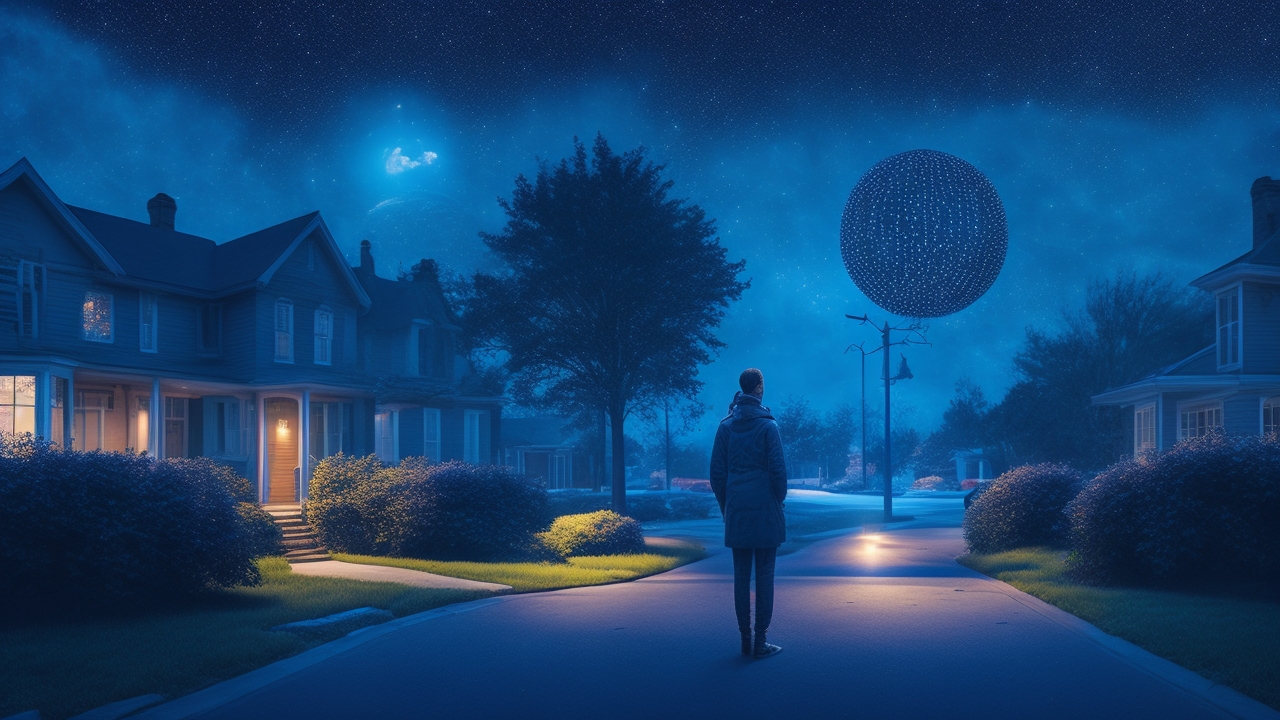
On a sultry night in July, someone in a quiet suburb outside Buffalo cranes their neck skyward—drawn by a pair of silent, glimmering orbs darting overhead with movements too crisp for any known craft. Across the country, a dozen cellphones capture mysterious triangles illuminated in the night sky, launching these encounters into the endless scroll of social media within moments. As the months of 2025 unfold, it feels as if the sky itself is humming with possibility—and a fresh urgency for answers is spreading throughout the UFO and alien research community.
A Year Unlike Any Other for UFO Sightings
So far in 2025, the National UFO Reporting Center (NUFORC) has fielded over 2,000 incidents of UFO sightings in just the first half of the year, reports The Hill. That’s a sharp leap from 1,492 cases during the same period last year, and the center’s chief technology officer predicts the true number is much higher. In conversation with The Hill, he estimated that ‘only 5% of sightings are ever reported.’
Hotspots are flaring up in unexpected places: According to Fox News, New York State logged 66 separate UFO sightings through late June— covering everything from glowing orbs and silent triangles to zigzagging disks flashing above the Manhattan skyline and lonely farm fields alike. Notably, the incidents cluster around both urban airspace and small towns, where residents swap stories about shape-shifting lights and aerial feats that seem to defy logic or technology.
What Are People Actually Seeing?
The term UFO—or its contemporary counterpart, UAP (Unidentified Aerial Phenomena)—is famously slippery. For every dramatic report, like the double-orb sighting in Chester, New York on March 25th, thousands more are resolved to earthly causes. Balloons, drones, unusual cloud patterns, commercial aircraft, and even bright planets make up the majority of explanations. According to NUFORC, just 3% of this year’s reports are considered truly unexplained and ‘worth pursuing further,’ a figure echoed by analysts in recent news coverage.
This, however, hardly dampens the cultural fascination. In fact, it seems to feed it. The easy availability of smartphones, dashcams, and night vision gear means that more moments wind up documented and shared, setting off flurries of comment threads, amateur analysis, and—occasionally—a call from a local news crew.
The Stigma Fades and the Conversation Shifts
One of the most intriguing shifts today is the growing respectability of UFO and alien research. No longer relegated to late-night talk shows and fringe forums, serious discussions of possible extraterrestrial evidence now echo in Congressional hearings and mainstream podcasts alike. With the Pentagon and Congress facing renewed scrutiny regarding possible secret programs, according to Queen City News, public curiosity is being met with more official responses—if only to say, ‘we don’t know, yet.’
Stigma, historically a major barrier, appears to be receding at last. Researchers note that witnesses now include air traffic controllers, military personnel, police officers, and everyday people of all backgrounds. The common thread: a willingness to come forward, fueled by encouragement from a growing and vocal community.
Why Now? The Cultural Moment Driving UFO Trends
So, what’s behind the surge? There’s no single answer, but experts point to a few converging factors:
- The explosion of accessible technology: Night vision binoculars, high-resolution phone cameras, and satellite-watch apps allow amateurs and enthusiasts to record and analyze strange events like never before.
- Increased transparency from government and media: Congressional hearings and high-profile leaks have made it easier for people to take sightings seriously—and report them without fear of ridicule.
- Changing cultural attitudes: Where alien talk once spelled social exile, it now gets you a platform on podcasts, YouTube, and Meetup groups. The aliens conversation has gone mainstream.
- Social media dynamics: Viral videos, comment threads, and digital communities create near-instant feedback loops, amplifying both credible sightings and hoaxes.
Analysis from ‘Information is Beautiful’ using a broad dataset of U.S. reports shows distinct seasonal patterns too: the summer months—June, July, August—see the highest numbers of UFO sightings. As 2025’s numbers rise, this seasonal effect appears stronger than ever.
What to Watch For: Shapes, Patterns, and Evidence
So far in 2025, the most commonly reported UFO shapes are orbs, spheres, and triangles, with repeated reports of sharp right-angle turns and sudden accelerations—movements famously difficult for conventional aircraft. Cases like the white orbs spotted in Chester, New York, or the triangle formations darting over rural highways, capture the imagination and anchor online debates about what’s plausible.
Meanwhile, persistent speculation about secret military projects lingers, particularly near defense installations. Yet, as NUFORC’s Christian Stepien wryly notes, ‘if it’s a secret black project, you’re not flying it over highly populated neighborhoods.’ That paradox only deepens the mystery—and keeps the conversation vibrant.
Practical Tips for UFO Spotters and the Curious
- Log Your Sighting Carefully: Note the time, date, exact location, weather, and any background activity (like aircraft or unusual weather). The more details, the more helpful to researchers and the community.
- Record and Save Visual Evidence: If you see something unusual, use your phone (video and stills) and, if possible, include reference points on the ground. Avoid zooming in so much that context is lost.
- Connect with Others: Join local or online groups focused on UFO sightings, extraterrestrial phenomena, and community research. Sharing your account helps spot patterns—and supports normalization of honest inquiry.
- Stay Skeptical (but Curious): Rule out known causes before jumping to extraordinary claims. Balloons, drones, satellites, and astronomical objects account for most sightings, but even experts can be fooled at first glance.
- Report to Established Organizations: Use trusted platforms like NUFORC to file a report. This helps build the long-term database that serious researchers depend on.
Looking Up, Moving Forward
There’s something fundamentally hopeful—and deeply human—about staring into the night sky and yearning for connection, whether with other worlds or each other. In this banner year for UFO sightings and alien research, the surge in reports is less a sign of panic and more an invitation to participate in a wider mystery. Today, answers feel tantalizingly close and yet just out of reach, glimmering like the lights above—and perhaps that’s what keeps the spark alive, generation after generation.
If you find yourself captivated by extraterrestrial mysteries, you’re in good company. The community welcomes newcomers with open arms and a healthy respect for skepticism. So, the next time you glance upward and spot something strange, remember: you’re part of an ongoing story—one that’s only just begun. Share your sighting, ask your questions, and let your curiosity drive the search for truth.