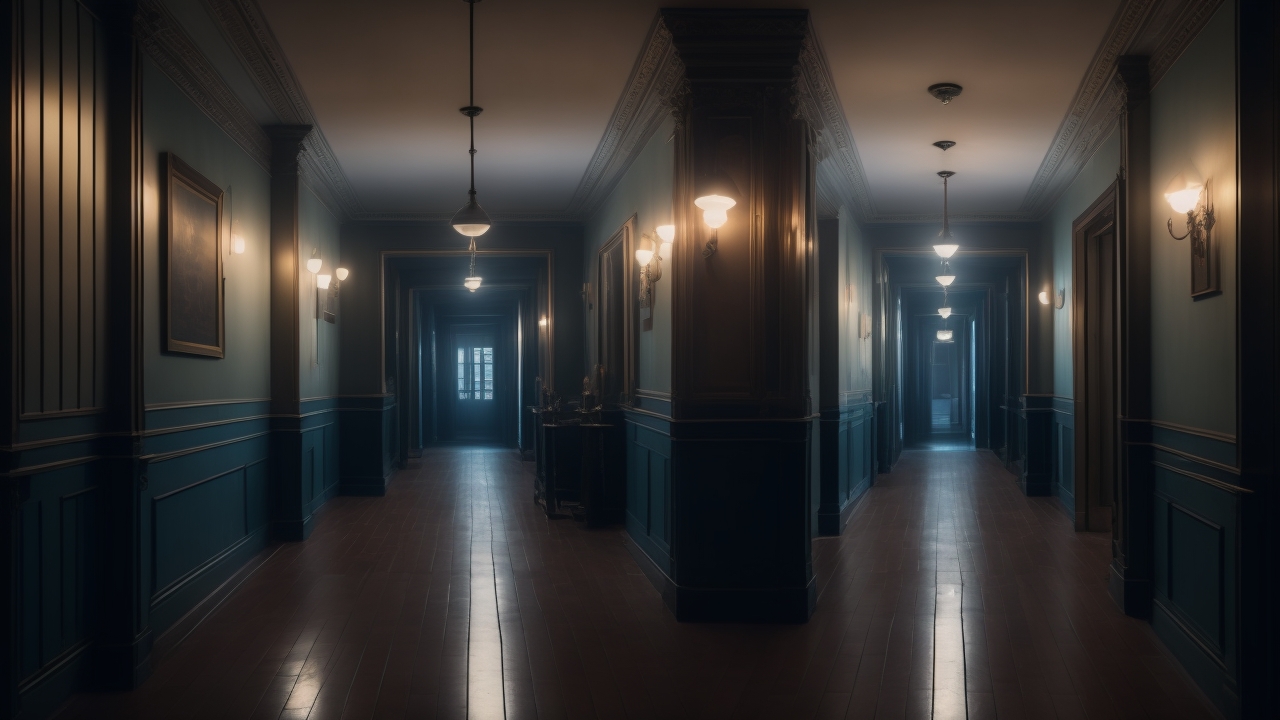
Picture a darkened hallway, an old recorder humming softly in the corner—only now, there is an invisible investigator listening in: artificial intelligence, combing through every whisper, every crackle, every sigh of static for signs of the supernatural. Instead of dusty notebooks and guesswork, investigators are feeding their hauntings into algorithms that never sleep. The result is a new kind of paranormal mystery, where silicon and spirit share the same spotlight.
The new frontier of ghost hunting
In recent years, paranormal investigators have shifted from simple tape recorders and EMF meters to complex digital ecosystems that log temperature, electromagnetic fields, sound, and video simultaneously. AI tools can now sift through hours of footage in minutes, flagging frames where light, motion, or sound patterns break from the norm. This is transforming ghost hunting from a largely anecdotal pursuit into something closer to a data-heavy research discipline, even if the conclusions remain hotly debated.
AI-powered analysis is particularly changing the way investigators handle electronic voice phenomena, or EVP, those eerie voices said to emerge from background noise. Instead of relying on the human ear and a suggestible imagination, researchers can use machine learning models trained to detect unusual frequency clusters and consistent phonetic shapes. The process does not prove that any voice is truly supernatural, but it does help separate rare patterns from random hiss, tightening the standards of evidence in the paranormal community.
Why AI and the supernatural are colliding now
The timing of this trend is no accident: consumer-grade AI tools for audio and image analysis have become widely accessible, which makes sophisticated paranormal research setups far cheaper to build. Investigators can use the same kind of noise-reduction or anomaly-detection software that podcasters, security firms, and medical researchers use, but point it toward haunted hospitals, old theaters, and lonely back roads instead of offices and labs. This democratization of technology means even small, volunteer teams can experiment with techniques that once required institutional backing.
At the same time, the cultural appetite for both technology and the supernatural is growing, creating a fertile crossroads where the two can meet. A 2023 survey from the Pew Research Center reported that roughly 70 percent of Americans believe in at least one paranormal or supernatural phenomenon, such as ghosts, astrology, or psychic abilities, revealing a broad baseline of curiosity that feeds into this tech-assisted ghost hunting boom. That curiosity is magnified by social media platforms that reward eerie clips, strange anomalies, and ongoing mystery with instant global attention.
From apps to algorithms: tools of the trade
Modern investigators often build their cases on a stack of specialized tools, many of which now include some form of AI or advanced automation. Smartphone apps can capture EMF readings, translate them into visual graphs, and alert users when spikes deviate from patterns established earlier in the night. Other apps use audio filters to highlight sudden changes in sound levels or frequency bands, making it easier to mark moments where whispered words might be lurking under ambient noise.
On the more advanced end, teams use desktop or cloud-based platforms that ingest audio, video, and environmental readings and then apply machine learning to detect correlations. If unexplained sounds repeatedly occur just as EMF spikes and temperature drops, for instance, the system can flag that relationship for deeper human review. Some groups are even experimenting with predictive models that look at past cases—location, weather, geomagnetic activity, even moon phase—to estimate when and where paranormal activity is most likely to manifest.
Numbers behind the night
Hard statistics about ghost hunting are tricky, but the broader landscape shows how deeply this interest runs. A 2021 survey from the American Psychological Association found that about 46 percent of U.S. adults reported believing in ghosts or spirits of the dead, suggesting that nearly half the population is at least open to the idea that something supernatural might be sharing their space. That openness is one reason paranormal investigation shows, podcasts, and live-streamed hunts draw devoted audiences who follow every EVP session and every unexplained knock.
Interest in occult and esoteric practices is rising alongside high-tech investigations, further blurring the boundary between spiritual exploration and data-driven research. For instance, a report highlighted by the consulting firm McKinsey & Company noted that the broader “spiritual and mystical” wellness market, which includes tarot readings, astrology services, and psychic consultations, has grown into a multi-billion-dollar segment over the last decade. This cultural shift means more people are comfortable engaging with paranormal topics, whether through a smartphone séance app or a serious, instrument-laden investigation.
Promise and pitfalls of AI evidence
AI brings both clarity and complication to paranormal work. On one hand, anomaly-detection algorithms reduce the role of pure guesswork, catching faint voices, subtle movements, or strange light signatures that human reviewers might miss when slogging through many hours of footage. Clearer EVP samples and well-documented correlations between environmental data and reported experiences can push investigations closer to something resembling disciplined research.
On the other hand, algorithms are only as good as the data and assumptions behind them. A model that is trained to hunt for unusual patterns will always find some, even in perfectly normal recordings, which raises the risk of digital pareidolia: seeing ghosts in the noise that exist only because the system is tuned to highlight difference. This tension has sparked healthy debate both inside and outside the paranormal community over whether AI is truly revealing hidden signals or merely dressing old hopes in sleek new code.
The human side of high-tech hauntings
Despite all the algorithms and sensors, paranormal experiences remain deeply human at their core. People still report the same chills, whispers, and shadowy figures that haunted their ancestors, even as the devices in their hands become more sophisticated. AI does not replace the emotional weight of standing in a darkened hallway where someone once died or the sinking feeling of hearing your name whispered from an empty room; instead, it adds a second layer, turning fear into data points and patterns.
For many investigators, this dual approach makes every case more meaningful. The subjective experience—the flash of fear, the sense of presence—is validated by careful logging, time stamps, and sensor readouts, creating a tapestry that weaves mystery and measurement together. Whether the final explanation turns out to be supernatural, psychological, or environmental, the process itself becomes a form of personal and collective inquiry, where belief, skepticism, and curiosity all have roles to play.
Practical tips for exploring ethically
Anyone drawn to this new wave of AI-augmented paranormal exploration should remember that the tools are powerful, but the responsibility is even greater. Technology can amplify both insight and error, and the line between respectful investigation and exploitation is thinner than ever. The goal is not only to chase a thrilling mystery but also to protect people, places, and stories.
- Approach every investigation with informed consent and respect. If you are working in private homes or on property with living relatives connected to past events, always secure clear permission, explain your methods, and be prepared to walk away if residents become uncomfortable, no matter how compelling the potential evidence may be.
- Treat AI-generated findings as clues rather than proof. Use anomaly flags, enhanced audio, or predictive heat maps as guides for where to focus human attention, then cross-check with environmental explanations, historical records, and multiple independent reviewers before labeling anything as paranormal.
- Document methods, settings, and limitations transparently. Keep detailed logs of what tools and algorithms you used, how thresholds were chosen, and when changes were made during the night, so that other investigators—or even skeptical observers—can understand the chain of evidence and reproduce or challenge your results.
- Protect privacy and emotional wellbeing. Blur faces, change identifying details, and think carefully before sharing highly personal or traumatic stories from clients or locations, especially in online videos or social media, where content can spread far beyond the original community.
- Balance belief with healthy skepticism. Invite both believers and skeptics into your review process, encouraging everyone to propose natural explanations first and to celebrate debunked cases as successes, because ruling out false positives strengthens the credibility of any remaining mysteries.
Where the mystery leads next
As AI systems grow more capable, it is likely that paranormal teams will experiment with even more ambitious tools: real-time anomaly alerts sent to headsets, generative models that attempt to translate noisy EVP into clearer human-language transcripts, or systems that overlay environmental readings onto live video feeds in haunted locations. Each new capability will raise old questions in new ways: What counts as evidence? When does a pattern become meaningful? How much of what we call supernatural is simply the mind reaching for narrative in a sea of data?
Yet the enduring appeal of this trend has less to do with gadgets and more to do with what those gadgets symbolize. At the heart of every late-night investigation is a desire to know whether consciousness, love, and identity truly end when the body stops. AI and sensors may never provide a final, satisfying answer, but they give people new ways to ask the question together, turning isolated experiences into shared datasets and shared stories within a growing community.
A shared invitation into the unknown
In the end, the most current and compelling trend in supernatural and paranormal research is not just the rise of intelligent machines, but the way they are drawing people into deeper conversations about what it means to be alive, to die, and perhaps to linger. The mystery is no longer confined to crumbling mansions or remote graveyards; it lives in code, in dashboards, and in the quiet spaces between a human heartbeat and a sudden spike on a digital screen. Each investigation becomes a small ritual of wondering aloud together: What if there is more?
If this emerging frontier calls to you, consider how you might contribute—not only with cameras and apps, but with empathy, critical thinking, and humility. Share your stories, your doubts, and your late-night questions with others who feel the same strange pull, and help build a community where research and reverence, skepticism and hope, can stand side by side. Somewhere in that meeting place between data and darkness, the next chapter of the paranormal is already beginning to write itself.