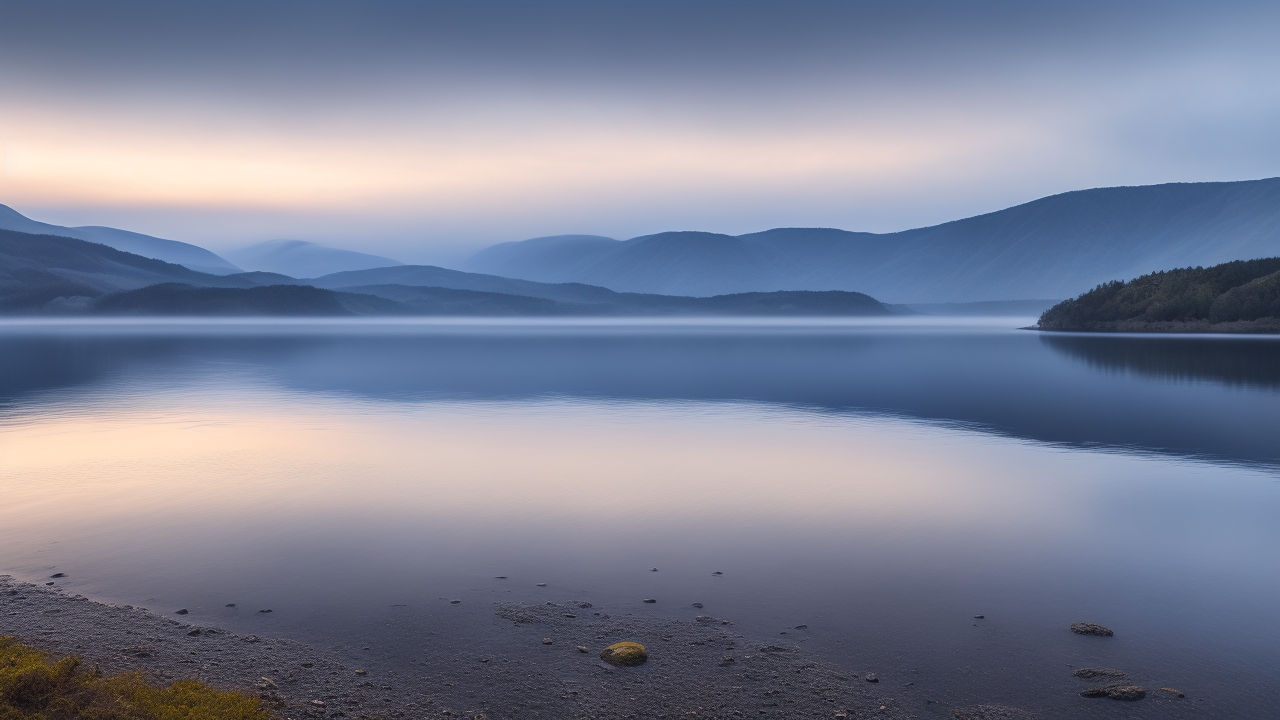
The surface of Loch Ness was quiet that morning, a sheet of cold pewter under a low Scottish sky, when a dark shape rose, lingered just long enough for a startled tourist to fumble a phone camera, and slipped back beneath. By the time the ripples calmed, another Nessie photo was already on its way to social media, stirring up old arguments with new urgency. Once again, the world was being invited to decide: elusive cryptid, misunderstood wildlife, or just the most enduring illusion in modern folklore?
In a year when strange videos and trail-cam oddities have flooded the internet, the Loch Ness Monster has found itself back in the news, not just as a curiosity, but as a case study in how mystery, research, and community collide in real time.
Latest Sightings
The Loch Ness Monster is having a moment again. Over the past year, several headline-grabbing reports have pushed Nessie back into the cryptid spotlight, fueled by smartphones, livestreams, and a new generation of online sleuths.
In August 2024, the Loch Ness Centre and a local volunteer network organized what they described as the largest coordinated search for the creature in half a century, deploying hydrophones, drones, and surface observers along key stretches of the loch. According to coverage from BBC News, more than a hundred volunteers took part on-site, with thousands more watching feeds and analyzing imagery remotely, demonstrating just how global the Nessie community has become.
That effort did not deliver a definitive monster, but it did record a series of unexplained acoustic signals and at least two intriguing surface disturbances that were logged and catalogued for further study. Local researchers and enthusiasts described wakes and humps that seemed to move against the wind, along with a cluster of infrared anomalies picked up in low-light drone footage. None of it rose to the level of proof, but it was enough to keep the mystery alive—and in cryptid news cycles around the world.
More recently, in mid-2025, several tourists reported long, dark shapes moving just below the surface near Urquhart Bay, one of the classic Nessie hotspots. Their photos, taken from different angles within minutes of each other, show what appears to be an elongated object cutting a wake in relatively calm water. Skeptics have suggested otters, logs, or boat wakes seen from tricky perspectives, while believers argue that the consistency across independent images points to something more unusual.
Meanwhile, the online ecosystem around the monster has evolved. Enthusiast groups now crowdsource analysis in near real time, comparing new images with older, debunked hoaxes and known boat patterns on the loch. The pace of this informal research effort has only increased as other cryptid videos—alleged lake monsters in North America, strange marine shapes in viral 2025 compilation reels, and odd sonar returns from amateur expeditions—keep pushing aquatic mysteries back into the cultural foreground.
Folklore and History
Long before Nessie became a global news favorite, the waters of Loch Ness already housed stories of something uncanny. In early Scottish folklore, lakes and rivers were home to beings that blurred the line between spirit and animal: water horses, kelpies, and shape-shifting creatures that lured travelers to their doom. These tales were partly warnings about the real dangers of deep, cold water—but they were also seeds of a wider mystery mythos.
The first widely cited textual reference often linked to a Nessie-like entity comes from the seventh-century account of Saint Columba, who was said to have encountered a vicious ‘water beast’ in the River Ness. The episode, written centuries after the fact, is soaked in miracle and symbolism, but it planted an early marker for a dangerous presence in the region’s waterways.
The modern Loch Ness Monster story, however, truly begins in the 1930s. In 1933, a local couple reported a large, whale-like creature seen crossing the road before slipping into the loch, an account that made local newspapers and quickly escalated into national fascination. Shortly afterward came the famous ‘surgeon’s photograph’ of 1934, apparently showing a long-necked creature rising from the water. Decades later, that image would be exposed as a hoax involving a toy submarine and a model head, a reminder that cryptid news has always had to wrestle with staged deceptions as well as sincere sightings.
Still, the hoax did not kill the legend. Instead, it seems to have fused modern photography with older folklore, creating the template for the Nessie we recognize today: a shy, long-necked animal, somehow surviving in a deep freshwater loch carved by glaciers, surfacing just long enough to be glimpsed, misidentified, or misremembered.
This blend of ancient lake spirits and twentieth-century media fueled a feedback loop. Each new photo or anecdote strengthened the idea that Loch Ness contained a singular cryptid. Each skeptical debunking, paradoxically, made the story more resilient by forcing believers to refine theories and reexamine older accounts. Nessie became less a single monster and more a shared narrative living at the intersection of folklore and modern news.
Science, Research, and New Evidence
In recent years, scientific research at Loch Ness has grown more systematic. Perhaps the most widely reported effort came in 2018–2019, when a team led by geneticist Neil Gemmell at the University of Otago undertook an environmental DNA survey of the loch. By sampling water from dozens of locations and sequencing the genetic material present, they hoped to see which species live there and whether anything unexpected turned up.
According to reporting by the BBC and National Geographic at the time, the study identified DNA signatures from fish, birds, mammals, and microorganisms—but no evidence of large, unknown animals, and specifically no DNA consistent with plesiosaurs or other prehistoric reptiles. One surprising outcome was the amount of eel DNA, which led the team to suggest that very large eels, while not proven, were at least a plausible natural explanation for some Nessie sightings.
That finding did not satisfy everyone. Enthusiasts argue that environmental DNA surveys, while powerful, are still limited snapshots. If a hypothetical cryptid population were extremely small, or if the animals occupied specific deep zones or moved in and out of the loch through underground channels, they might evade detection. Most biologists counter that such scenarios are increasingly unlikely, given the cumulative body of ecological data gathered over decades.
Still, the research itself has reshaped the debate. Rather than dismissing Nessie as mere fantasy, scientists have taken the story seriously enough to test it with modern tools. Sonar surveys, underwater cameras, and acoustic monitoring have all added to a growing dataset. While none have confirmed a monster, they have revealed complex underwater topography, strong thermoclines, and rich fish populations—features that can create optical illusions and eerie conditions conducive to perceived monsters.
This interplay between formal research and grassroots observation is also playing out across the broader cryptid world. According to a 2024 article in National Geographic examining public belief in unexplained creatures, interest in cryptids remains surprisingly robust in technologically advanced societies, with belief in at least one paranormal or unexplained phenomenon reported by a significant minority of respondents in multiple surveys. That appetite for mystery continues to sustain long-term attention on places like Loch Ness.
Cultural Impact and Why It Matters Today
The Loch Ness Monster is no longer just a local legend; it is a global cultural asset, wrapped in layers of tourism, identity, and storytelling. The Scottish Highlands have long marketed Nessie imagery on everything from roadside signs to children’s books, and the monster has become a symbol of both regional pride and playful self-awareness.
The economic dimension is substantial. According to VisitScotland and tourism reports cited in British media over the past few years, Nessie-related tourism is estimated to contribute tens of millions of pounds annually to the local economy through tours, accommodations, and merchandise. Even skeptical visitors often find themselves taking at least one boat trip marketed around the possibility—however slim—of seeing something strange break the surface.
But Nessie’s cultural significance goes deeper than souvenirs. The monster serves as a kind of mirror for how we think about nature and the unknown. At a time when many large animals are either endangered or hyper-documented by trail cams and drones, the idea of a big, undiscovered creature living in a well-studied body of water feels increasingly implausible—and, for some, all the more precious.
A Pew Research Center survey in 2023, exploring attitudes toward science and the paranormal, found that younger adults were more open than older generations to the idea that mainstream science does not yet explain all anomalous phenomena. While the survey did not focus solely on cryptids, it highlighted a wider tension: a strong respect for scientific methods coexisting with a willingness to entertain edge-case mysteries.
That tension plays out vividly at Loch Ness. Locals who roll their eyes at the more dramatic monster stories may still share family anecdotes about ‘something odd’ seen on the water at dusk. Tour guides seamlessly weave hard facts about glaciation, sonar, and fish ecology into tales of humps and wakes and mysterious waves. Online, creators break down recent photos frame by frame, testing whether a shape is likely a bird, a wave, or an authentic unknown. The result is a living, evolving folklore—one that is documented, debated, and continually refreshed by both news outlets and niche research communities.
At its best, this dynamic draws people into deeper engagement with the natural world. To sit by the loch at dawn hoping to glimpse a cryptid is also to pay close attention to birds, light, wind patterns, and the behavior of water. Even if Nessie herself never appears, the act of looking connects people to a place and its stories in a way that pure skepticism or pure belief alone rarely achieves.
What We Can Learn from the Nessie Mystery
Whether you lean skeptical, hopeful, or simply undecided, the Loch Ness story offers some practical lessons about how we approach mystery in an information-saturated age.
- Stay curious, but document carefully. If you ever find yourself by a lake or forest and witness something unusual, treat it like fieldwork: note the time, weather, and exact location; take multiple photos or short videos; and record your impressions as soon as you can. This kind of careful observation helps separate genuine anomalies from fleeting impressions.
- Balance folklore with research. Local stories often preserve real details about landscapes and wildlife, even when wrapped in myth. Listening to community folklore with respect, while also checking it against ecological and scientific information, can enrich your understanding of both the legend and the environment.
- Engage with community, not just controversy. Cryptid discussions can become polarized between true believers and hard-line debunkers. Look for forums, local talks, or meetups where people share data, experiences, and skepticism in good faith. That sort of collaborative spirit tends to generate better insights—and more interesting stories—than simple argument.
Why It Matters Today
In a century defined by satellites, smartphones, and rapid-fire news updates, it is tempting to assume that there is no room left for deep, enduring mysteries. The Loch Ness Monster stands as a quiet rebuttal to that assumption. Even in a world of high-resolution imagery and environmental DNA, a single Scottish loch continues to inspire debate, fieldwork, and folklore.
For scientists, Nessie represents a cautionary tale about how easily human perception can be fooled by expectation, light, and memory—and a reminder that engaging with popular mysteries can be an opportunity to teach methods, not just deliver verdicts. For residents and visitors, the monster is a shared story that binds generations together, blending childhood wonder with adult reflection. For the broader cryptid community, Loch Ness is both a flagship case and a touchstone for discussions about evidence, ethics, and the future of unexplained-animal research.
Perhaps most importantly, the enduring allure of Nessie testifies to a human need for unsolved questions. Even as we refine our tools and tighten our datasets, there is value in places where the answer is not yet fully known—or where, strictly speaking, the balance of evidence leans toward the mundane, but the door is not entirely shut. Those spaces keep us honest about what we do and do not know, and they invite us to participate in the ongoing work of observation and interpretation.
So the next time a blurry shape on Loch Ness makes the news, you might resist the urge to rush to judgment, one way or the other. Instead, you could take it as an invitation: to look more closely at the image, at the context, at the history of the legend, and at your own appetite for mystery. And if you have a story of your own—an odd wake on a quiet lake, an unsettling noise in a dark forest, a sighting that you still cannot quite explain—consider sharing it with your community, listening in return, and becoming part of the living folklore that connects us all.